Why Sleep Might be the Single Most Powerful, broadly restorative tool?
- recoverbyinfo
- Jan 22
- 5 min read

Sleep might be the single most powerful, broadly restorative tool humans have, and not because it’s glamorous, but because it’s where the body and brain do their most important housekeeping. Here’s a concise, evidence based case for why sleep is the ultimate recovery method, followed by practical, science-backed ways to improve it.
Why sleep is the top recovery system
Whole-body repair happens predominantly during sleep. Deep (slow‑wave) sleep is when growth hormone peaks, assisting muscle repair, tissue regeneration, and metabolic regulation (1&2). That’s why chronic short sleep impairs recovery from exercise, illness, and daily wear-and-tear.
Sleep clears brain waste and supports long‑term brain health. The glymphatic system is more active during sleep and helps remove metabolic byproducts including beta‑amyloid, which is implicated in Alzheimer’s disease (3). Poor sleep increases accumulation risk and cognitive decline over time (4).
Sleep calibrates immune and inflammatory responses. Short or disrupted sleep raises markers of inflammation and reduces vaccine responses; getting sufficient sleep improves immune resilience and infection recovery (5).
Sleep consolidates learning and emotional processing. Memory traces are stabilized during non‑REM and REM cycles; sleep-deprived learners show poorer retention and worse emotional regulation (6,7).
Systemic metabolic effects. Short sleep increases insulin resistance and appetite-regulating hormone disruption (leptin/ghrelin), elevating risk for weight gain and metabolic disease over time (6,7,8).
In short: sleep is when the brain cleans itself, the immune system resets, hormones restore balance, tissue and muscle repair occur, and memories are consolidated. Those processes cut across every domain of “recovery” - mental, physical, and immune.
How to improve sleep (evidence-based, practical)
Prioritize consistent timing and sufficient duration
Aim for regular sleep-wake times and an amount suited to you (most adults need ~7–9 hours). Irregular timing and chronic restriction blunt recovery processes and hormonal rhythms (17,).
Use red / near‑infrared light in the evening instead of bright white or blue-rich light
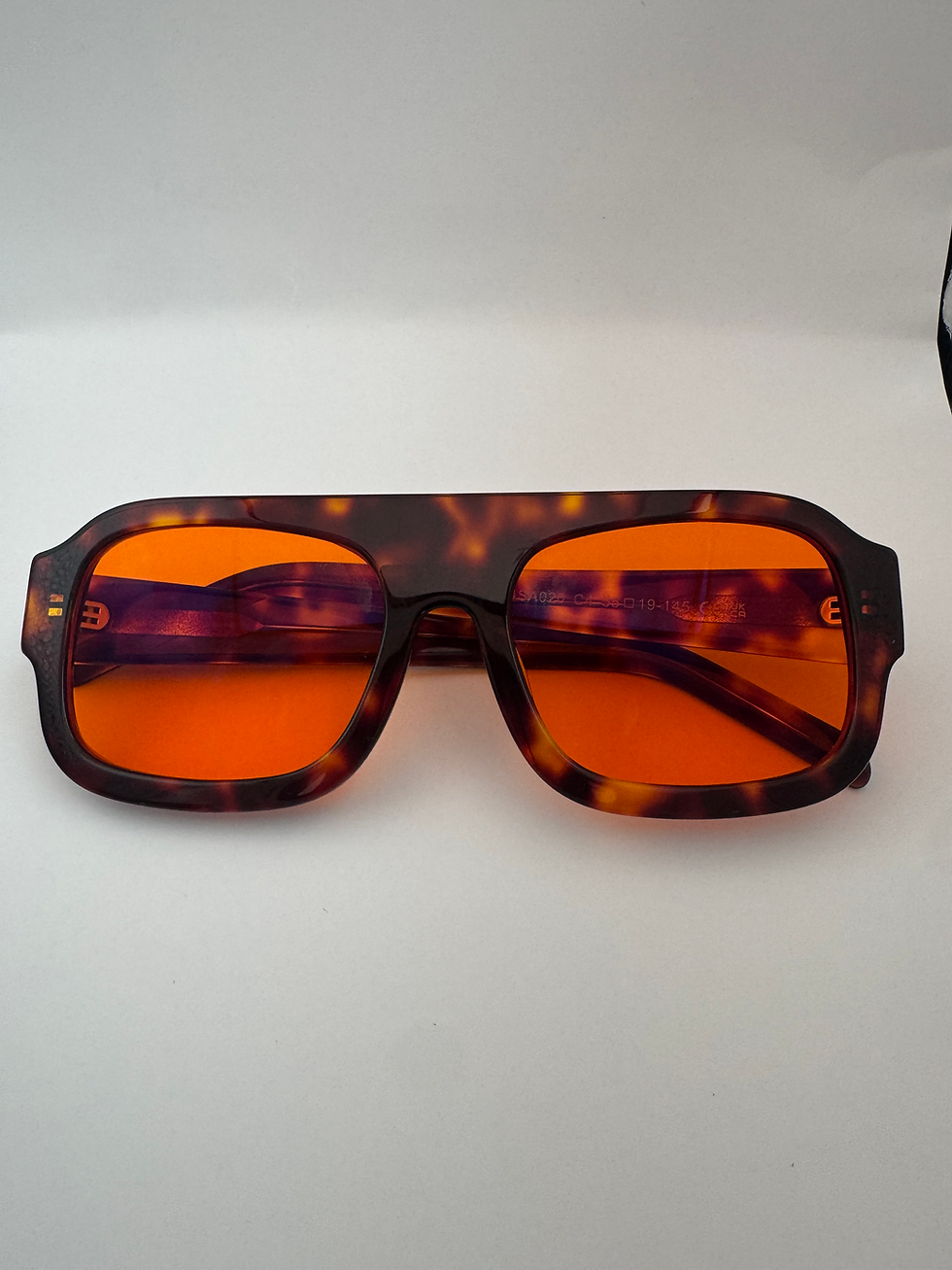
Short-wavelength blue light (∼460–480 nm) strongly suppresses melatonin and shifts circadian phase via intrinsically photosensitive retinal ganglion cells (ipRGCs) (8). Red or amber light has much less melatonin‑suppressing effect and may be preferable for evening lighting that lets you relax without disrupting circadian timing. Some controlled studies and circadian models support using lower-blue spectra for pre‑sleep lighting to preserve melatonin and sleep onset (12).
Block blue light from screens in the last 1–2 hours before bed.
Evening exposure to blue‑enriched screens delays melatonin onset and reduces sleepiness, pushing sleep later and shortening total sleep if wake time is fixed (11). Practical steps: enable device “night modes,” use blue‑blocking glasses, or stop screen use an hour before bed. These interventions reduce circadian disruption and can shorten sleep onset latency.
Reduce noise — and choose passive solutions like foam earplugs (no electronics in the ear).
Environmental noise fragments sleep, reduces slow‑wave sleep, and impairs next‑day function (14). Randomized trials, including in hospital settings, show earplugs (and eye masks) significantly increase sleep time and subjective sleep quality. Choose soft, breathable foam or silicone earplugs; avoid electronic devices in the ear that emit sound or create dependency.
Maximize darkness — use blackout curtains or a sleep mask if a darker room isn’t possible.
Light in the sleeping environment suppresses melatonin and reduces sleep quality even at relatively low levels (e.g., streetlight through blinds). Eye masks and blackout solutions measurably improve sleep quality and melatonin profiles in several studies (15,16,17).
Temperature and pre-sleep routine matter
Cooler ambient temperatures and a wind‑down routine (low stimulation, relaxation practices) help the brain transition into sleep, favoring slow‑wave activity and efficient recovery (19).
Blue‑blocking glasses and screen filters: effective when you need to use devices in the evening. They reduce blue light reaching retinal photoreceptors and can help preserve melatonin timing versus untreated screens.
High‑quality, comfortable earplugs (foam or silicone): passive noise reduction that lowers awakenings and increases deep sleep without electronics. Ideal for travel, noisy neighborhoods, or shared households.
Blackout products and sleep masks: when you can’t control room light, a well-fitting sleep mask or blackout curtains restores darkness and supports melatonin production and sleep continuity.
A few practical plans you can try tonight
Minimal-change plan (fast, effective): turn off blue‑light devices 60–90 minutes before bed, switch to a red/amber bedside lamp, and use earplugs and a sleep mask if your bedroom is noisy or lit. Result: faster sleep onset and fewer night awakenings.
Full hygiene plan (best for chronic issues): consistent bedtime and wake time; cool bedroom (60–68°F / 15–20°C); evening red/low-blue lighting; blue-blocking glasses for late-device use; earplugs for noise; blackout curtains or sleep mask. Pair with a 20–30 minute wind-down routine (no heavy exercise, caffeine cutoff 6–8 hours before bed).
Article evidence notes and sources
Van Cauter E, Plat L. Physiology of growth hormone secretion during sleep. In: Kryger MH, Roth T, Dement WC, editors. Principles and Practice of Sleep Medicine. 3rd ed. 1996. (Chapter discussing sleep and growth hormone.) Link.
Tasali E, Leproult R, Ehrmann DA, Van Cauter E. Slow-wave sleep and the risk of type 2 diabetes in humans. Link.
Xie L, Kang H, Xu Q, et al. Sleep drives metabolite clearance from the adult brain. Science. 2013;342(6156):373–377. Link.
Nedergaard M. (Lab overview and related reviews on the glymphatic system and sleep.) Nedergaard M, Goldman SA. Glymphatic failure as a final common pathway to dementia. Science. 2020;370(6512):50–56. https://doi.org/10.1126/science.abb8739 | Link to Review.
Irwin MR. Why sleep is important for health: a psychoneuroimmunology perspective. Annual Review of Psychology. 2015;66:143–172. | Link.
Prather AA, Hall M, Fury JM, et al. Sleep and antibody response to influenza vaccination in adults. Sleep. 2012;35(8):1063–1069. Link.
Related review: Prather AA, Cohen S. Sleep and immune function: Link.
Walker MP. The role of sleep in cognition and emotion. Ann N Y Acad Sci. 2009;1156:168–197. Link.
Brainard GC, Hanifin JP, Greeson JM, et al. Action spectrum for melatonin regulation in humans: evidence for a novel circadian photoreceptor. J Neurosci. 2001;21(16):6405–6412. Link.
Chang AM, Aeschbach D, Duffy JF, Czeisler CA. Evening use of light‑emitting eReaders negatively affects sleep, circadian timing, and next‑morning alertness. Proc Natl Acad Sci U S A. 2015;112(4):1232–1237. Link.
Harvard Health Publishing. Blue light has a dark side. Harvard Health. 2019. Link.
Figueiro MG, Wood B, Plitnick B, Rea MS. The impact of light from computer monitors on melatonin levels in college students. Neuro Endocrinol Lett. 2011;32(2):158–163. Link.
Related review on wavelength effects and circadian responses: Link.
Basner M, Babisch W, Davis A, et al. Auditory and non‑auditory effects of noise on health. Lancet. 2014;383(9925):1325–1332. Link.
Hu RF, Jiang XY, Walford C, et al. Non‑pharmacological interventions for sleep promotion in ICU patients. (Systematic reviews and trials summaries link.
Locihova et al. (randomized trials in hospital settings show benefit of earplugs/eye masks). Link to study.
Hirshkowitz M, Whiton K, Albert SM, et al. National Sleep Foundation’s sleep time duration recommendations: methodology and results summary. Sleep Health. Link.
Roenneberg T, Winnebeck EC, Klerman EB. Chronobiology: chronic social jetlag and circadian misalignment. Chronobiol Int. 2019. Link.
Van Someren EJW. More than a marker: interaction between self-regulation and sleep in successful aging. Curr Opin Psychiatry. 2007;20(6):643–649. Link.