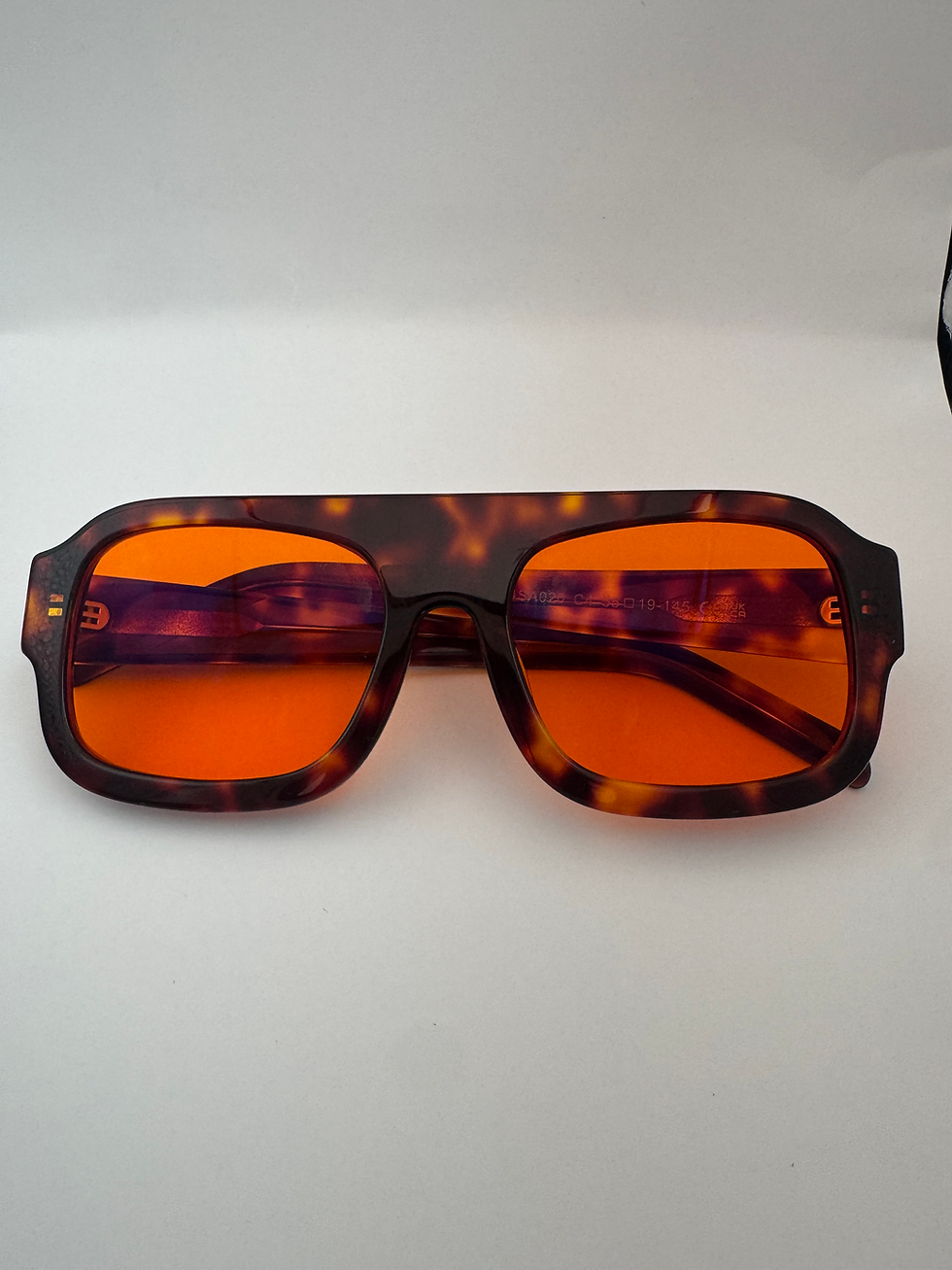
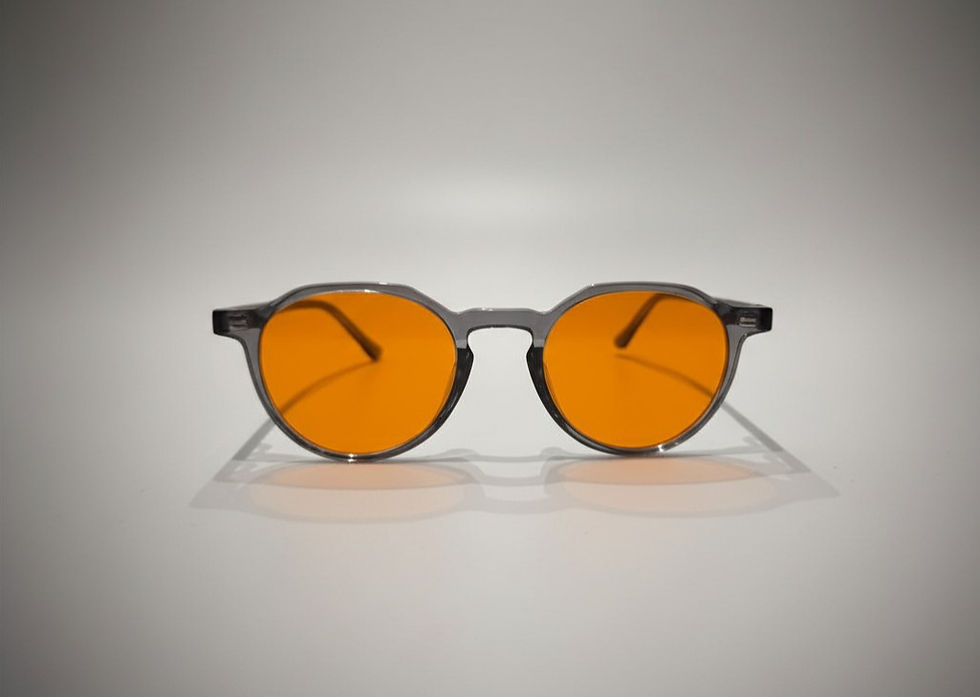
Creating the Ideal Sleep Sanctuary: Tips for a Dark, Quiet Bedroom
- Recoverby

- Oct 23, 2025
- 3 min read
A well-designed sleep environment is essential for achieving quality rest and overall well-being. Creating an ideal sleep sanctuary involves minimizing light and noise, which are known to disrupt sleep cycles and reduce sleep quality. Here are some evidence-based tips for transforming your bedroom into the ultimate haven for restful sleep.
Tips
Block Out Light
Light exposure, particularly blue light from screens, significantly affects melatonin production, the hormone responsible for regulating sleep. Research indicates that even low levels of light can disrupt circadian rhythms and lead to difficulty falling asleep and decreased sleep quality. A study published in the Journal of Clinical Sleep Medicine found that participants exposed to light during the night experienced reduced melatonin levels and shorter sleep durations (1).
Use Blackout Curtains: Install blackout curtains or shades to block external light sources. These have been shown to enhance sleep quality by reducing light exposure (2).
Sleep Masks: Consider wearing a sleep mask to further eliminate any light that may seep in. Studies suggest that sleep masks can effectively improve sleep duration and overall sleep satisfaction (3).
Minimize noise pollution
Noise pollution not only makes it challenging to fall asleep but can also lead to frequent awakenings throughout the night. A study in the American Journal of Epidemiology found that individuals exposed to high levels of nighttime noise reported poorer sleep quality and increased risk of cardiovascular diseases (4).
Use Earplugs: High-quality earplugs can significantly reduce noise disturbances. Research has shown that earplugs can facilitate deeper sleep by blocking disruptive sounds (5).
White Noise Machines: Investing in a white noise machine can create a consistent ambient sound that masks sudden noises, promoting a more peaceful sleeping environment (6).
Room Temperature Matters
The temperature of your bedroom plays a pivotal role in sleep quality. Studies indicate that the optimal sleep temperature ranges from 60°F to 67°F (15°C to 19°C) because the body’s core temperature naturally drops during sleep (7).
Adjust Your Thermostat: Set your thermostat to maintain a cool temperature conducive to sleep.
Bedding Choices: Use breathable materials such as cotton or bamboo for your bedding, which can help regulate body temperature throughout the night.
Declutter your space
A cluttered bedroom can lead to increased stress and anxiety, making it harder to relax and fall asleep. Research shows that a tidy and organized space can enhance feelings of calmness and tranquility, which are essential for sleep (8).
Organize Your Bedroom: Invest time in decluttering and organizing your space. Aim for a minimalist approach, keeping only essential items in your bedroom.
Incorporate Relaxation Decor: Use calming colors, soft lighting, and personal items that evoke positive emotions and help create a serene atmosphere.
Limit Electronics in the Bedroom
Electronics emit blue light, which can interfere with your body's natural sleep-wake cycle. A study published in Sleep Health found that the use of electronic devices before bedtime was associated with increased sleep disturbances and inadequate sleep quality (9).
Establish a No-Devices Rule: Make it a habit to keep electronics out of the bedroom. Set a specific time before sleep to turn off screens and engage in relaxing activities such as reading or meditation.
Create a Charging Station Outside the Bedroom: Charge your devices in another room to minimize temptation and reduce blue light exposure.
Conclusion
Creating a dark, quiet bedroom is crucial for fostering an environment conducive to restful sleep. By incorporating evidence-based strategies such as blocking out light, minimizing noise, maintaining an optimal temperature, decluttering your space, and limiting electronics, you can enhance your sleep quality and overall well-being. Remember, a dedicated effort to cultivate your sleep sanctuary can have profound effects on your physical health and mental clarity.
Recoverby Sleep Products:
Sources
Journal of Clinical Sleep Medicine (2017). "Effects of Light on Melatonin Production and Sleep Patterns." Link to Study.
Sleep Health (2018). "The Impact of Bedroom Light on Sleep Quality." Link to Study.
Sleep Medicine Reviews (2015). "Efficacy of Sleep Masks in Improving Sleep Quality." Link to Study.
American Journal of Epidemiology (2013). "Noise Pollution and Sleep Quality: A Comprehensive Study." Link to Study.
Journal of Clinical Sleep Medicine (2017). "The Effectiveness of Earplugs on Sleep Quality." Link to Study.
Sound Research (2015). "White Noise and Its Impact on Sleep Disturbances." Link to Study.
Sleep Medicine (2012). "Room Temperature and Sleep: A Systematic Review." Link to Study.
Environmental Psychology (2019). "Cluttered Spaces and Their Effects on Mental Health." Link to Study.
Sleep Health (2018). "Electronics and Sleep Disturbances: A Review." Link to Study.