How to Test Blue Light Glasses at Home
- recoverbyinfo
- Feb 21
- 3 min read

Blue light glasses have gained popularity for their potential to improve sleep by filtering out light that can disrupt melatonin production. With the right lenses, these glasses can be effective allies in managing exposure to blue light, especially during evening screen time. In this guide, we’ll explore how to test blue light glasses at home to ensure they provide the protection you need for optimal sleep quality.
Why Test Your Blue Light Glasses?
Testing blue light glasses is essential to verify that they effectively filter out the types of light that can interfere with your sleep. Understanding the "melatonin disturbance zone" will help you evaluate whether your glasses work as intended. Performing simple tests can help you manage blue light exposure effectively.
Understanding Blue Light Glasses
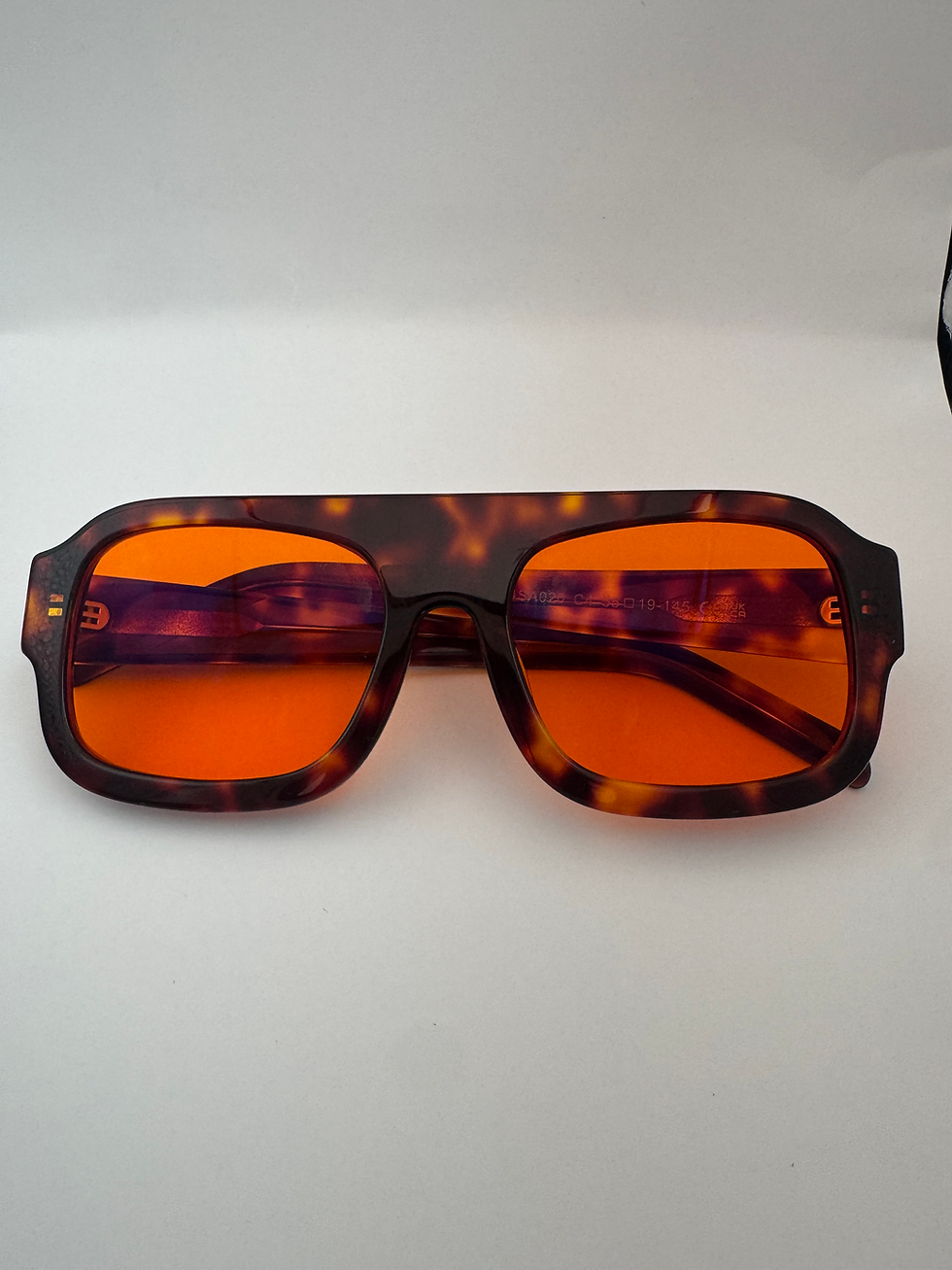
Blue light glasses come in various tints, each designed to filter specific ranges of blue light. The best blue light glasses for sleep typically have orange lenses, which block a significant portion of the blue light spectrum that affects melatonin, enabling better sleep quality (1).
Clear Lenses (Computer Glasses): These are designed for use during the day, filtering out 25-30% of blue light to reduce eye strain from screens while preserving color clarity.
Yellow Lenses (Night Driving Glasses): These filter approximately 65-70% of blue light, making them suitable for driving at night while providing some protection against harmful blue light.
Orange Lenses (Sleep Glasses): These glasses block about 99.5% of the most disturbing blue light and are ideal for use in the evening to aid sleep.
Red Lenses: Often marketed as better for sleep improvement, red lenses can filter out similar amounts of blue light but may not be practical for everyday use due to visibility issues (2).
Testing Your Blue Light Glasses at Home
Here are some easy at-home tests to determine the effectiveness of your blue light glasses:
Official Blue Light Spectrum Report: Before any testing, obtain the manufacturer’s blue light filtering data to evaluate performance. Quality brands will provide this information about their glasses.
Blue Sky Test for Computer Glasses:
Find a clear blue sky and hold your glasses toward it. If your lenses filter out the recommended 30% of blue light, you should notice a slight yellow tint when looking through them. This is due to the reduction of blue-violet light in the spectrum (3).
RGB Color Wheel Test:
Put on your blue light glasses and look at an RGB color wheel. Assess the blue circle's color; a good quality lens will cause the blue circle to appear dark gray or black.

Black and Blue Square Test:
Put on your blue light glasses and observe the colors of the blue and black squares shown in the image. The blue square should look dark gray, indicating effective filtration of blue light (4).

How Blue Light Glasses Help Improve Sleep
The best blue light glasses for sleep, like those with a deep orange tint, effectively block the most disruptive wavelengths, facilitating better sleep quality. RecoverbyBlue Light Night Sync glasses filter out 99.5% of blue light and 75% of green light, helping you unwind before bed.
Summary
Effective testing can reveal how well your blue light glasses perform in blocking harmful blue light and supporting your sleep health. To ensure you’re making informed purchases, always verify the product’s filtering capabilities through data and reliable testing methods.
For trusted blue light–blocking glasses designed with performance in mind, consider Recoverby blue light glasses. Protect your eyes and improve your sleep quality with confidence.
Sources:
Huang, K., et al. (2019). "The role of blue light in insomnia and circadian rhythm disorders." Chronobiology International. Link to Study.
Hale, L., et al. (2018). "Blue light exposure and sleep quality: A systematic review." Journal of Clinical Sleep Medicine. Link to Study.
Higgins, A. (2020). "Measuring the effectiveness of blue light glasses: Factors and methodologies." Optometry and Vision Science. Link to Study.
Figueiro, M.G., et al. (2012). "Light Modulation of Mitochondrial Function." Journal of Clinical and Aesthetic Dermatology. Link to Study.