Red Light Therapy: From Skincare Trend to Full-Body Recovery
- recoverbyinfo
- Mar 23
- 3 min read

Red light therapy started as a skincare trend. It was first used for acne, skin healing, and anti-aging treatments. Over time, it has expanded into something bigger - a tool now used for muscle recovery, inflammation, and general wellness. Today, it is used not only in clinics, but also at home as part of daily recovery routines.
What Is Red Light Therapy?
Red light therapy uses specific wavelengths of light to interact with the body at a cellular level. The most common ranges are:
Red light: around 630–660 nm
Near-infrared light: around 800–880
These wavelengths can penetrate the skin and reach different depths of tissue, depending on the type of light (1).
Why It’s Used
Red light therapy is often used to support:
Skin health and repair
Muscle recovery after training
Reduced inflammation
Improved circulation
The idea is simple: light energy is absorbed by cells and may help support normal cellular function and recovery processes (1).
Distance and Intensity
Distance matters more than most people think. Closer = stronger intensity Further away = lower intensity
If you sit very close to a panel, your body receives more light energy in less time. If you are further away, the effect is more gentle and spread out.
This means:
Close distance → targeted recovery (muscles, joints)
Further distance → general exposure (full body, relaxation)
When to Use It
Red light therapy can be used at different times depending on the goal:
Morning or daytime: can be used as part of a general wellness routine
After training: to support muscle recovery
Evening: as a low-light alternative that does not strongly disrupt sleep signals
Unlike bright white or blue light, red light is less likely to interfere with melatonin production, which makes it more suitable later in the day (2).
Understanding Wavelengths
Different wavelengths have slightly different roles:
Red light (630–660 nm):
Works more on the surface — commonly used for skin and shallow tissues
Near-infrared (800–880 nm):
Penetrates deeper — used more for muscles, joints, and deeper recovery
This is why many devices combine both, to cover multiple layers of the body.
A Balanced View
Red light therapy is growing fast, but it is important to stay realistic.
It is not a replacement for:
Proper sleep
Nutrition
Movement
Instead, it can be used as a support tool - something that may help improve recovery when combined with strong daily habits.
Conclusion
Red light therapy has moved far beyond skincare and is now part of a broader approach to recovery and wellness.
At recoverby, this approach has been applied across different products designed for practical, everyday use.
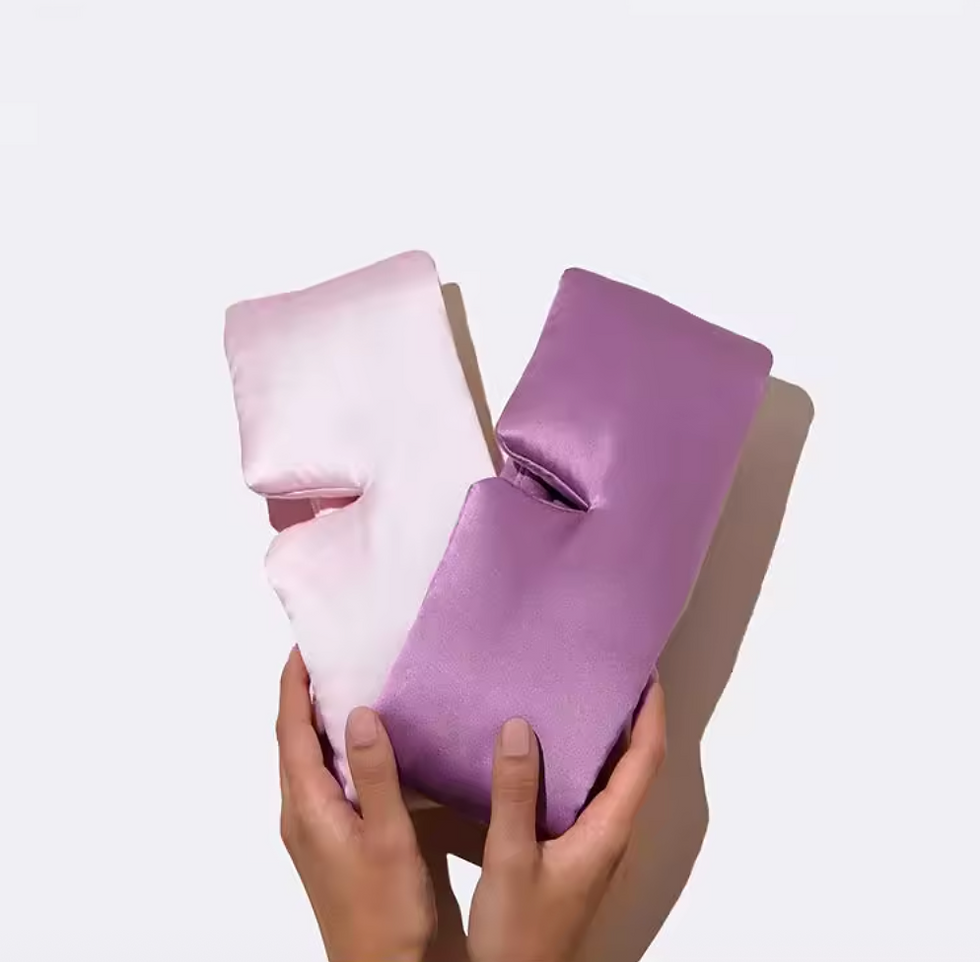
The red light mask is built with wavelengths that are commonly used in research, focusing on skin health and surface-level treatment. It is designed for simple and consistent use.
The red light mini panel offers a more flexible option. It can be easily positioned on different parts of the body, making it suitable for targeted areas that need recovery.
For broader use, the medium panel is often used for full-body exposure. With 60 LED lights and wavelengths selected for both surface and deeper penetration, it is commonly used by athletes for more complete recovery sessions.
These tools are designed to make red light therapy accessible and adaptable, depending on individual needs - from focused treatment to wider recovery support.
Sources
1. National Center for Biotechnology Information – Photobiomodulation and cellular effects. Link.
2. Harvard Health Publishing – Blue light has a dark side. Link.