Light is the New Nutrition
- recoverbyinfo
- Mar 23
- 3 min read

Updated: Apr 26
For years, health has been built around food, exercise, and sleep. But a quieter factor is now getting attention: light. The way we experience light each day may influence energy, sleep, mood, and recovery more than we realize.
Why Light Matters
The human body runs on a 24-hour internal clock, known as the circadian rhythm. This system controls sleep, hormones, metabolism, and even mental performance. Light is the main signal that sets this clock (1).
In simple terms:
Bright light in the morning tells your body to wake up
Darkness at night tells your body to rest
When this pattern is disrupted, the body becomes confused. That confusion can affect sleep quality, energy levels, and overall recovery (2).
The Modern Problem
Modern life has changed our relationship with light.
We spend more time indoors, often under artificial lighting, and use screens late into the night. These screens emit blue light, which can delay the release of melatonin — the hormone that helps us fall asleep (3).
At the same time, many people do not get enough natural daylight during the morning. This creates a mismatch:
Too little natural light during the day
Too much artificial light at night
This imbalance can reduce sleep quality and impact long-term health (4).
Light as a Daily Input
Just like food, light can be thought of as a daily input.
Healthy light exposure often looks like:
Morning sunlight soon after waking
Consistent exposure to daylight during the day
Reduced light, especially blue light, in the evening
These habits help regulate the body’s internal clock and support better sleep and recovery (5).
The Rise of Light-Based Tools
Because of this growing awareness, new tools and habits are becoming popular:
Red or dim lighting at night
Blue light–blocking glasses
Blackout sleep environments
Light therapy devices
Some of these tools aim to correct modern light exposure and improve circadian alignment. While some benefits are supported by research, others are still being studied and may be overstated (6).
A Balanced Perspective
Light plays an important role in health, but it is not a cure-all.
Improving light habits can support:
Better sleep
More stable energy levels
Improved recovery
However, it works best alongside other basics like proper nutrition, movement, and stress management (1).
Conculsion
Understanding light is one thing. Applying it consistently is another. At RECOVERBY, the focus is on simple tools that help improve daily light exposure habits without overcomplicating routines.
Red light devices can be used in the evening as a low-intensity light source that does not strongly interfere with melatonin production. Unlike bright artificial lighting, red wavelengths are less likely to signal “daytime” to the brain, making them more suitable for late hours while supporting relaxation and recovery (3).
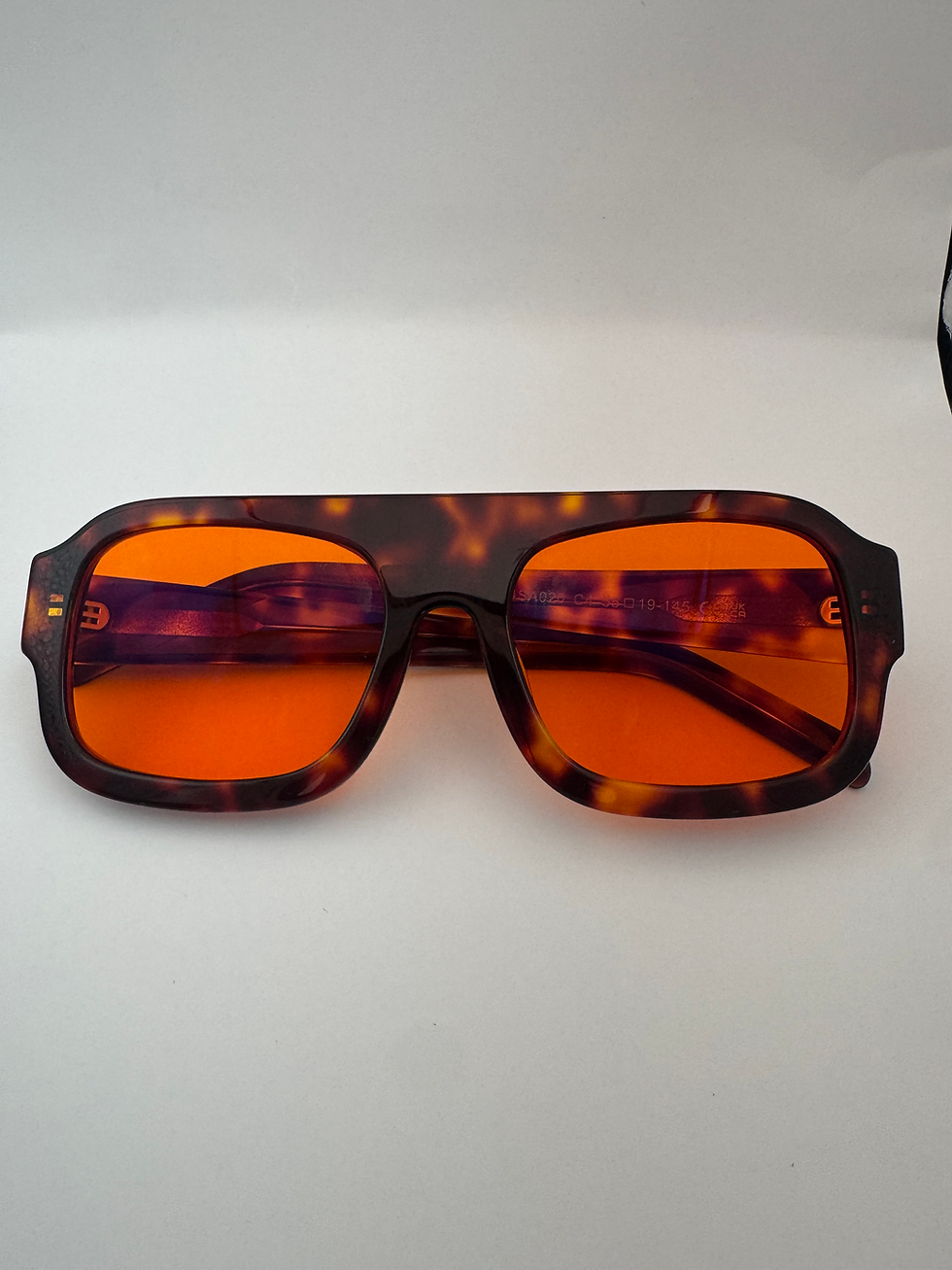
Blue light–blocking glasses with red lenses are designed to reduce exposure to high-energy blue wavelengths from screens. By filtering up to 98.3% of blue light, they allow continued screen use in the evening while minimizing disruption to the body’s natural sleep signals (3).
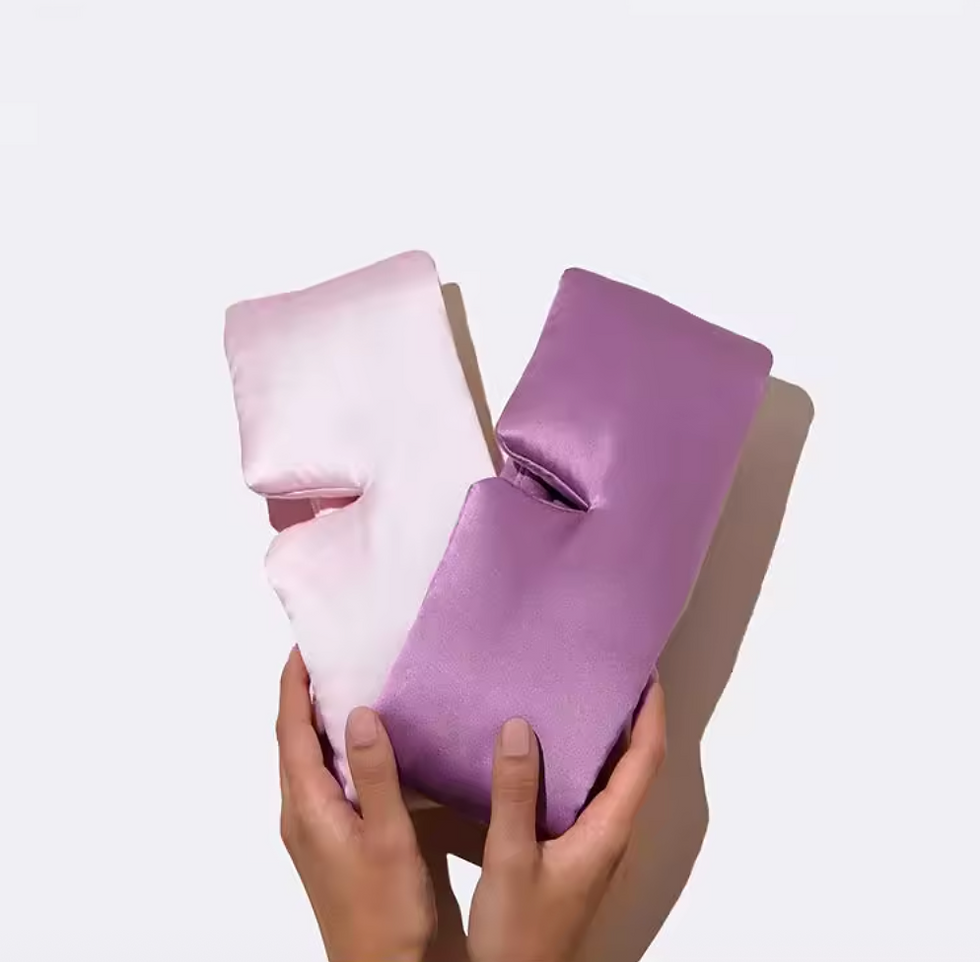
Sleep masks that fully block external light provide another layer of control. Even small amounts of light during sleep can affect sleep quality, so creating a completely dark environment can support deeper and more consistent rest (5).
These tools are not replacements for natural light. Morning sunlight and daytime exposure remain essential. However, they can help reduce the negative effects of modern lighting and support a more balanced light environment.
In that sense, recovery is not only about what you add, but also about what you remove, especially at night.
Recoverby products mentioned in the article:
Sources
1. National Institute of General Medical Sciences – Circadian Rhythms. Link.
2. National Sleep Foundation – What Is the Circadian Rhythm? Link.
3. Harvard Health Publishing – Blue light has a dark side. Link.
4. World Health Organization – Light exposure and health impacts. Link.
5. Sleep Foundation – Light and Sleep. Link.
6. Cleveland Clinic – Do Blue Light Glasses Work? Link.